Ground Shaped for Development and Drainage
Rough Grading in Reidsville for site preparation projects requiring elevation changes and drainage control
Red clay soils and rolling Piedmont topography create drainage challenges for land development sites, and rough grading establishes the foundational elevations and slope patterns that determine whether stormwater flows away from structures or pools near foundations and causes long-term stability problems. Total Land Management uses heavy equipment to cut high ground and fill low areas across residential and commercial projects in Reidsville and Rockingham County, creating level building pads, access routes, and drainage channels that match engineering specifications before finish grading and construction begin. Sites prepared with proper rough grading support building foundations without settling, direct water toward retention areas rather than adjacent properties, and provide stable surfaces for construction traffic throughout project timelines.
Grading work moves earth to match survey elevations provided by civil engineers who calculate cut and fill volumes based on existing topography and final site design, establishing slopes that prevent erosion while directing water flow toward designated drainage infrastructure. Equipment operators work from grade stakes and laser levels to verify that elevations match plan specifications, adjusting earthwork when subsurface conditions differ from initial site assessments and require modified grading approaches.
Schedule a site evaluation to review grading requirements and drainage specifications for your development project.
The Difference Between Rough and Finished Grading
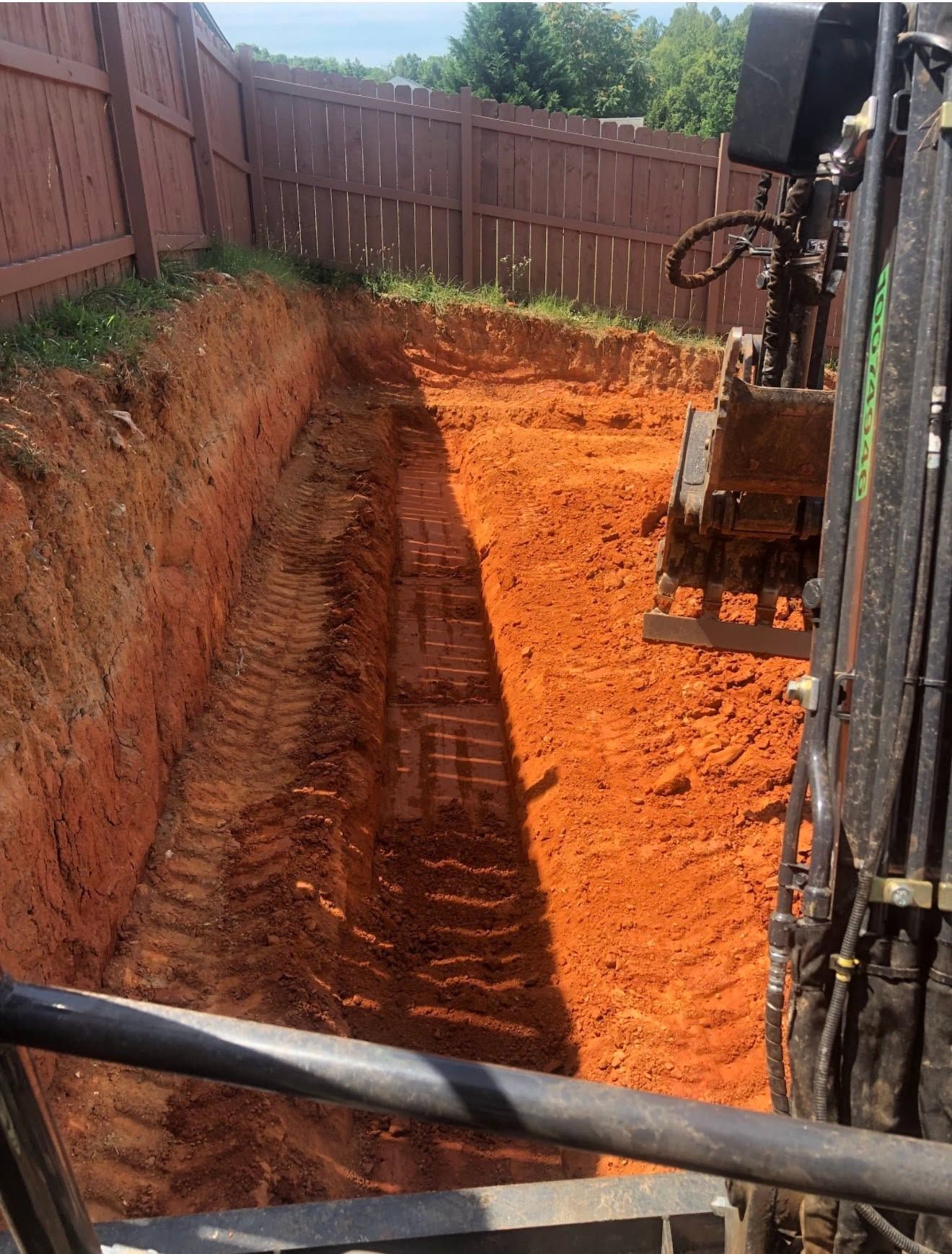
Your rough grading establishes the primary site elevations and drainage patterns that support all subsequent work, using heavy excavators and dozers to move significant earth volumes and create building pads, roadways, and utility corridors at elevations specified in civil engineering plans. Cuts remove soil from high areas and transport it to fill zones where elevation must be raised, and compaction equipment works over filled areas to prevent future settling that would cause pavement cracking or foundation movement.
Once rough grading is complete, you'll see defined building pads with level surfaces at specified elevations, access routes graded to slopes gentle enough for construction vehicles to travel safely when hauling materials, and perimeter drainage channels that direct stormwater away from work areas and toward retention basins or existing drainage infrastructure. Soil across the site shows consistent compaction without loose areas where equipment would sink during construction phases, and grade transitions between cut and fill zones follow smooth slopes rather than abrupt elevation changes that cause erosion during rain events.
Rough grading differs from finish grading because it focuses on major elevation changes and structural drainage patterns rather than final surface preparation for landscaping or pavement—finish grading happens after rough elevations are established and typically involves smaller equipment making fine adjustments to match architectural site plans. Projects ranging from smaller residential developments around $8,000 to large commercial sites coordinate rough grading schedules with engineering firms and major contractors managing overall construction timelines.
What Site Owners Usually Ask
Grading projects involve coordination between survey data, soil conditions, and construction schedules, and understanding the process helps manage expectations for site development timelines.
How does red clay affect grading work in Reidsville?
Clay soils common throughout Rockingham County and the I-85 corridor become sticky and unworkable when saturated, requiring grading schedules to adjust based on recent rainfall—working clay in wet conditions creates compaction problems that later cause settling and drainage failures, so earthwork timing depends on soil moisture levels.
What happens if cut and fill volumes don't balance?
Sites where cut material volume exceeds fill needs require soil export to disposal facilities, while sites needing more fill than available cut material require importing soil from borrow sources—Total Land Management coordinates material hauling to manage costs and prevent project delays when earthwork volumes differ from initial engineering estimates.
Why do building pads need specific elevations?
Foundation stability requires level surfaces at elevations calculated to maintain positive drainage away from structures while matching utility connection depths and roadway grades—building pads positioned too low create flooding risk, while pads set too high require excessive fill material and increase foundation costs.
When does rough grading happen relative to utility installation?
Grading establishes primary elevations and drainage patterns before utility contractors trench for water, sewer, and electrical connections so that pipe depths and conduit routing can match finished grade without requiring rework—utility trenching typically occurs after rough grading is complete and verified by engineering surveys.
How long does rough grading take for typical residential projects?
Timeline depends on site size, cut and fill volumes, soil conditions, and weather—smaller residential lots with minimal elevation changes may require several days of equipment work, while larger commercial sites with significant earthwork needs can take weeks to reach specified elevations and achieve proper compaction across filled areas.
Total Land Management handles rough grading for land development projects across residential and commercial scales, working with engineering firms and contractors who require equipment-intensive site preparation along the I-85 corridor and throughout the Triads region. Request an on-site assessment to discuss your project's grading scope and coordination requirements.